

 Beauty & Cosmetics
 Health & Wellness
 Family & Relationships
 Lifestyle
 Finance & Business
 Food
Food Culture & Arts
 Technology
 Sports
 Digital Marketing
 Education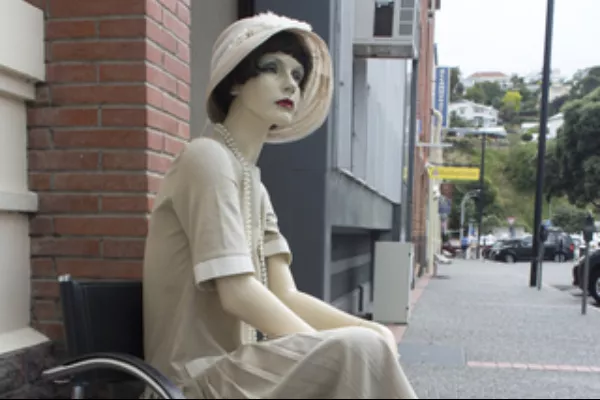
The changes in fashion since 1930s Fashion era
When comparing fashion from one decade to the next, it's fascinating to see how clothing styles have evolved. Fashion is a changing concept that reflects the needs and interests of society at large. Consequently, there's never a dull moment when watching fashion trends take shape. Over time, fashions change as designers look for new ways to entice consumers. Each new decade brings its own set of ideas that help define the current trends and make them even more relevant to the public at large.
During the 1930s, fashion was simple and practical. Clothing designs were conservative with regards to color and style. Women primarily wore tweeds and gabardines in neutral tones like black, grey and brown. Men mostly opted for plain flannel suits with a few sports jackets thrown in for good measure. At this time, women also started wearing cardigans for added warmth and comfort. Fashion was also very patriotic at this time with many countries embracing Great Britain's austerity measures by wearing British uniforms or clothing styles inspired by them.
Women of the 1940s had to face rationing labels that indicated the amount of fabric they were allowed per month. This was done so that factories could keep operating during World Order (the Allied victory against Germany in WWII). Clothing designs during this time emphasized functionality as well as comfort and durability. This was due to women having to remain active during their time of need. They also had to remain active while raising their families, which meant they needed clothing that could get them through both these needs while keeping them comfortable. For these reasons, knits became very popular during this time as did woolen coats in the cold winter months. Women also started wearing coveralls over their normal work clothes so they could stay safe while working in factories.
Fashion displayed an excitement towards the modern world during the post-war years. Specifically, this referred to what came after World War II in 1946. Many young adults settled into life after war by going overseas to fight in the military or by serving as radio operators or pilots in the Allied forces. Many of these people returned to their native countries after seeing firsthand what modern technology could do for society. This led to a great sense of optimism among citizens about the future. As such, modernity showed itself through pop culture - including film, music and fashion trends - as well as through new technological inventions like televisions, cars and airplanes.
Clothing styles now reflect art festivals, music festivals and other events that are unique to each particular era. For example, the 1990s saw a huge increase in street fashions popularized by hip-hop music fans at urban dance clubs and outdoor art festivals like Burning Man or Coachella Valley Music & Arts Festival. These fashions spread fast via social media such as text messages between teenagers who had attended these events and who wanted someone else to experience them first hand. By wearing specific clothing styles, teenagers demonstrated their passion for music, art and other forms of creativity through their daily lives via social media updates instead of through actual physical appearances at art festivals themselves.
Conclusion:
The one thing that stays the same about fashion, is that it’s always changing. The fashion world is constantly changing thanks to consumer demands, new ideas spawned by society at large and how people change. Each decade has brought new ideas that have been implemented into shows via popular culture or how people always want to imitate their favorite stars. Ultimately, contemporary trends have helped define what people will wear every day for years to come- whether they're attending an event or not!Never forget that having your own sense of style is always acceptable. In the world of fashion, you can stand out from the crowd and be distinctive. Keep your actual self in mind and let your personality, not your attire, speak for you.
