

 Beauty & Cosmetics
 Health & Wellness
 Family & Relationships
 Lifestyle
 Finance & Business
 Food
Food Culture & Arts
 Technology
 Sports
 Digital Marketing
 Education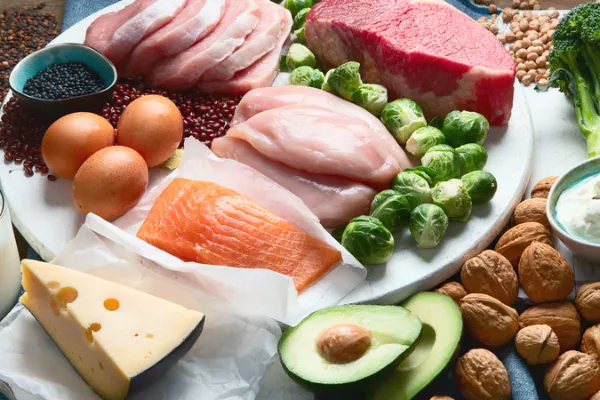
What are the five importance of protein?
Protein is one of the most important nutrients for the human body. While protein is necessary for everyone, it is especially important for athletes, growing children and adolescents, pregnant women, and those who are trying to lose weight or gain muscle mass.
Here are the reasons why protein is essential, the daily protein requirements, and some examples of protein-rich foods.
What Is Protein?
Protein is one of the three basic macronutrients. The majority of our energy is derived from the macronutrients we consume. Amino acids make up proteins, which are the most common compounds found in cells.
Why Is Protein So Important?
Here are some convincing reasons for ensuring you consume adequate protein every day:
1- Build. Protein is essential for the formation of muscles, bones, cartilage, hair, nails, and skin.
2- Oxygenate. Oxygen is transported throughout the body by red blood cells, which contain a protein molecule. This helps to ensure that nutrients reach every part of your body.
3- Repair. It helps your body produce new tissue and repair damaged tissue, which is a benefit to overall health.
4- Digest. Enzymes improve digestion and form new tissues and body components. Enzymes are made from around half of the protein you eat each day.
5- Energy. It provides energy. Protein can be used for energy if you consume more than your body requires for maintenance and other essential tasks. The body will turn it into fat if it isn't used for energy anymore.
6- Regulate. It is also important for controlling hormones, especially during cell division and puberty development.
7- Antibodies. Proteins create antibodies, which detect and help to eliminate antigens such as viruses and bacteria. Immunoglobulin G, for instance.
8- Weight loss. Another advantage of protein is that it makes you feel fuller and faster.
"Protein and fiber make you feel fuller for longer, so you don't feel the need to eat as frequently." This helps you maintain a healthy weight while providing the nutrition our cells require."
How Much Protein Do You Need?
According to the BNF (British Nutrition Foundation), adults should consume 0.75g of protein per kilogram of body weight daily. However, requirements differ according to body size and exercise intensity. Protein requirements may raise as a result of endurance and strength training. Protein needs rise during periods of rapid growth, such as during childhood, pregnancy, and lactation, as well as after recovering from surgery or injury. Protein should account for 10% to 35% of the total calories consumed per day. The USDA DRI calculator can assist you in determining your daily protein requirements.
What Are The Best Sources Of Protein?
Protein can be found in both plants and animals. Eggs, meat, milk, poultry, yogurt, fish, cheese, soybeans, and quinoa are complete protein sources. It means that they have all nine of the essential amino acids. Numerous plant-based foods, including legumes, nuts, seeds, whole grains, fruits, and cereals, contain protein.
