

 Beauty & Cosmetics
 Health & Wellness
 Family & Relationships
 Lifestyle
 Finance & Business
 Food
Food Culture & Arts
 Technology
 Sports
 Digital Marketing
 Education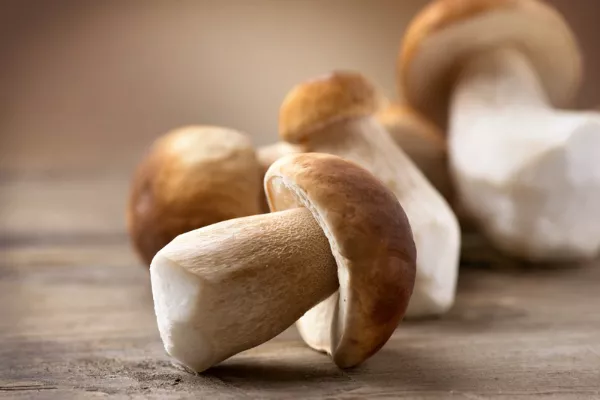
What is an organic mushroom?
Who doesn’t like mushrooms? Be it pizza or Alfredo pasta, mushrooms always fit right in.
There are numerous nutritional benefits attached to mushrooms, and that is why we should include them in our diet . You want to eat authentic mushrooms, right? What’s better than growing them in your garden? Fresh, organic, and first-class mushrooms. Also, growing mushrooms yourself can prevent you from spending a good amount of your budget on buying mushrooms, as gardening brings you better quality at a cheaper price. If you are thinking that growing mushrooms is some kind of lengthy and difficult process, then let me correct you.
It is an easy process if you know the details. This thorough guide has been put together to help you in growing organic mushrooms. Process of growing organic mushrooms Let’s walk you through these DIY procedures.
There are two methods that you can choose from, according to your preference and convenience.
• Method 1: On logs
Step 1: Buy organic mushroom spawns Mushroom spawn is a grown fungal tissue that is harvested to grow organic mushrooms. You should look for the best possible deal you can get on the mushroom spawns, that offer good quality and are affordable.
Step 2: Choose a suitable log You can take the wood from a sugar maple or oak tree. The size should be between 3 to 8 inches in width and between 3 to 5 feet long.
Step 3: Inoculate the log within 2 weeks Don’t wait too long to use the logs. They can start to rot. If the logs have been unused for very long, they may not react to inoculation as they should. If that’s the case, you won’t get edible mushrooms but rather an inedible fungus.
Step 4: Make holes in the log You can use a drill for this purpose. The spawn plugs you buy normally should come with specifications about the diameter of the holes. Usually, a 5/16-inch drill bit will do the job.
Step 5: Form a diamond pattern when drilling holes You should drill holes in the log while forming a diamond pattern. There should be a margin of 2 inches at the top and bottom. There should be a distance of 6 to 8 inches between the top and bottom of each diamond.
Step 6: Put the plugs in the holes This is an easy step. Just insert the plugs in the drilled holes.
Step 7: Seal the holes Now, use a double boiler to heat some organic beeswax. It should achieve a pliant texture. Then, spread some wax over each plug.
Step 8: Store the logs The logs need 50-50 shades and sunlight. That means you should place them outside at a spot that receives partial sunlight and partial shade. Set the logs vertically.
Step 9: Check constantly. Trust me, this can be a long process. You just have to patiently wait it out. It may take 8 to 16 months for the mushrooms to appear.
Step 10: Harvest immediately Once you see the mushrooms emerging, harvest them quickly. They will go bad within a week. There are two ways to separate the mushroom from the log. Either pull and twist it out or cut it from where the stem meets the log.
Step 11: Encourage activity after the first activity You can do this by toppling over a vertical log to fall on the ground horizontally. This will stimulate growth in the logs that have been used to produce mushrooms.
• Method 2: Using ground coffee
Step 1: Collect grounded coffee You can grind coffee beans. Store them in a plastic container and make sure they don’t develop mold. Before you use the coffee grounds, make sure to thaw them at room temperature.
Step 2: Put the ground in a bucket Use a 5-gallon plastic bucket to dump the coffee grounds.
Step 3: Moisten the grounds Dry coffee grounds won’t produce the same result. Moisten them by adding just a little bit of water. Make sure to drain the excess water.
Step 4: Get organic mushroom spawn Sawdust mix spawn will be better for this purpose than the spawn plugs.
Step 5: Put the spawns in the grounded coffee First, crumble the spawn in your hands. Then, spread it on the coffee grounds.
Step 6: Mix the spawn Make sure to mix the spawn dust in the coffee grounds thoroughly. Pat the surface with your hands to compress the spores.
Step 7: Fill the bucket There shouldn’t be more than 1 inch of space between the rim of the bucket and the surface of the mixture.
Step 8: Cover the bucket Use plastic wrap to cover the bucket. This will aid the mixture to keep the moisture. However, make sure to poke a few holes in the surface of the wrap, so the air has access to the inside. We have to prevent carbon dioxide from building up.
Step 9: Spray the mixture This is a routine you will have to follow. Twice a day, you have to spray the top of the mixture. You can remove the wrap for this purpose, or just spray through the holes. Whatever’s more convenient for you.
Step 10: Monitor the growth Just within one to two weeks, the mushrooms will start to grow.
Step 11: Pick the mushrooms immediately Within a week, the mushrooms will go bad. So, harvest them before that. You can cut the stem from near the surface of the mixture or just twist and pluck the mushrooms.
5 Things You Should Know Before You Start Growing Mushrooms
A lot of people start to grow mushrooms without proper knowledge.The following tips will help you avoid issues that you can encounter while beginning to grow mushrooms. Also, these will prevent any unrealistic expectations in your mind
1- A sterile environment isn’t needed for mushroom growth
You don’t need to spend your savings on building a setup with pressure cookers and an airflow hood. You can use just used pasteurized grounded coffee or sawdust. It is a cheaper and easier alternative. There are a few cold-water techniques as well that you can use to cut down on mushroom growth costs. Avoid taking the high-tech route that costs much more.
2- Producing your spawn costs time and money
This is a multi-stage process. Producing spawn requires lab conditions, multiplying small amounts to produce big batches, and so much more. In short, you need to know a lot of microbiology to produce spawn. Even when you have the knowledge, the process is lengthy and costly. Why spend more money on something that you can get at a lower price from a specialized supplier.
3-Growing mushrooms require labor
Growing mushrooms is labor intensive and so is the harvesting process. When you will do it on a small scale, you shall need to be very active in accomplishing all the different tasks. So, a useful suggestion is to start really small, so you don’t have to be on your toes all the time.
4-Doing everything yourself is not a good idea
You have to mix and inoculate your substrate. You also have to move to grow bags around. Then monitoring the growth and harvesting of the mushrooms is a time and energy taking task as well. So, don’t do everything yourself. Find a fellow that will help you in growing the mushrooms. Believe me, it can be pretty fun to have a partner in crime. LOL. A lot of people might be up for the task just because they are interested in the entire growth process.
5-Choose the right scale to grow mushrooms
Don’t start by growing mushrooms on a big scale because that probably won’t be manageable. When the production is at a higher rate, you will have to multiply everything you do, and it will add up to a ton of work. In fact, a ton is an understatement. I know that more mushrooms may increase your income if you are doing this for a living. However, more mushrooms mean more work, so I don’t think you should bite more than you can chew. That will threaten the quality of your mushrooms. Conclusion Woah, that was a lot of mushroom talk, wasn’t it? LOL.
Well, let’s wrap it up. I am positive that now, not only are you aware of organic mushroom farming but also confident about the processes. Growing organic mushrooms is a rewarding experience and makes gardening fun. You will get to learn so much about mushroom growth, and you will also be able to try home-grown, fresh, and tasty mushrooms. A friendly piece of advice: Don’t overdo it and always keep marginal time and money for the mushroom growth.
