

 Beauty & Cosmetics
 Health & Wellness
 Family & Relationships
 Lifestyle
 Finance & Business
 Food
Food Culture & Arts
 Technology
 Sports
 Digital Marketing
 Education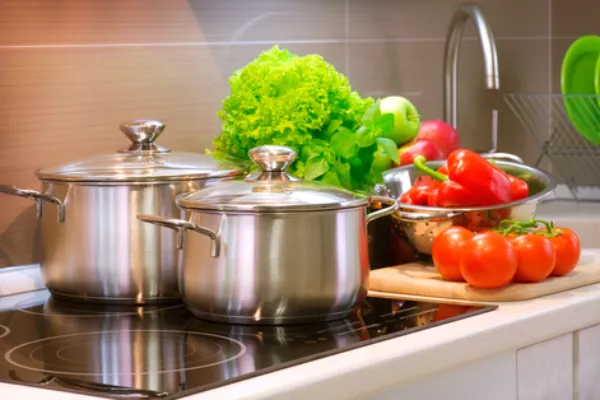
5 Amazing Kitchen Tips & Tricks To Save You Time And Effort
There are certain tips and tricks in life that, if you had learned them sooner, could have spared you a great deal of time and effort. We have collected our top 5 kitchen tips to help you avoid a lot of hassle.
1.The pot should be covered when the water is being boiled
When boiling water, we set the stove at the highest heat setting. the quicker the water can heat up, the quicker it will boil. By adding a cover to the pot, you can intensify the process by retaining heat and reducing the time it takes for the water to boil.
Try it when steaming veggies, making pasta, or reheating the soup. To avoid affecting the cooking times specified in the recipe, disregard this kitchen tip when it specifies leaving a pot uncovered.
2.Use a knife's dull end to remove food remnants from the work area after chopping
This is one of the most needed kitchen tips. It's common practice to cut ingredients like onions before scraping them into a bowl or other cooking utensils. The end opposite the sharpened blade should always be used for scraping when using a blade. If not, the blade will become significantly less effective. The chances of it slipping during chopping or slicing also increase.
3.Cookware made of stainless steel should be heated properly to prevent sticking
When a drop of water is added to a pan and a bead of water appears right away and rolls around the pan, the pot or pan is ready. For up to three minutes, place the cooking vessel over medium-high heat.
Wait 30 seconds more if the drop of water sizzles; if it starts to spit, wait until the pan has cooled slightly before attempting again. When adding oil, tilt the pan to cover the surface and let the oil get heated for a minute.
It will now be possible to brown ingredients without them sticking on the stainless-steel surface, including delicate delicacies like eggs and seafood. The efficacy of this method depends on a chemical reaction that causes the surface to be heated to the point where objects added to the pan are "suspended" or separated from the surface by gases generated when the ingredients and the heated pan make contact.
4.Utilize the proper measuring equipment for the ingredient
Whether an ingredient is dry or liquid affects the measuring tool that must be used. A liquid measuring cup is used to measure liquid components like water, oil, or honey. These cups are typically single and have markings on the inner or external wall indicating the measurements. When measuring an ingredient, hold the cup at eye level and fill it to the mark. Dry measuring cups should be used to measure dry goods like flour, spices, and condiments like ketchup or mayonnaise.
Dry measuring cups are usually sold in sets of cups, each one labeled with the proper measurement.After adding the item to the suitable measuring cup, level the top with a knife, spatula, or another flat edge.
Since the difference between dry and liquid ingredients is so slight in these small amounts, it is acceptable to use measuring spoons for both types of ingredients.
5.Season food as desired
The freshness of the ingredients, the method of preparation, and the seasoning all affect how a dish will taste. A savory food should be tasted after it has been seasoned with salt and/or pepper. If it is flavorless or bland, season it again.
Without tasting, only a skilled chef can determine how much salt is required; but, once the perfect balance is achieved, it is easy to tell the difference if a meal is under-seasoned or well-seasoned.
To provide a uniform coating and prevent the salt from becoming too concentrated in one location, professionals sprinkle salt onto a plate from a height of about 12 inches above it. Start with using a small amount at once to avoid over-salting.
In the end, everything you cook will taste good if you make it yourself. So, what if you make a mistake? The worst meals most often still have edible parts. Write them off as learning opportunities, then continue with the kitchen tips you have learned, you'll get much better.
