

 Beauty & Cosmetics
 Health & Wellness
 Family & Relationships
 Lifestyle
 Finance & Business
 Food
Food Culture & Arts
 Technology
 Sports
 Digital Marketing
 Education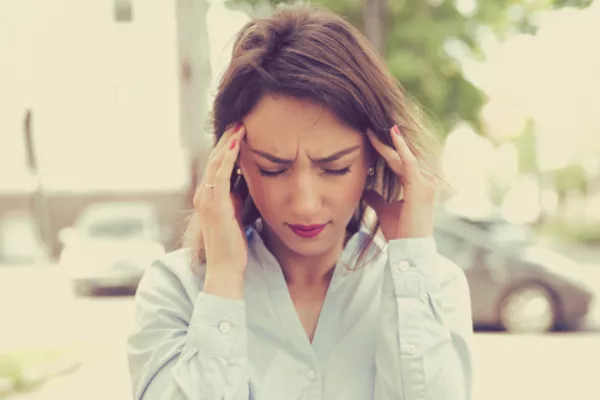
How Stress and Anxiety Can Affect Women
Despite being a critical part of overall wellness, mental health is often disregarded or stigmatized. Due to the particular difficulties they meet—such as gender discrimination, pressures from family and career obligations, and societal expectations—women are particularly prone to high levels of stress and anxiety. Maintaining good mental health and living a fulfilling life may depend on understanding the causes of stress and anxiety and learning how to manage these conditions.
Understanding Women's Stress and Anxiety
Women of all ages often experience stress and anxiety, which can have a variety of causes. Work or school pressures, money worries, relationship issues, and health issues are some of the most frequent causes of stress and anxiety in women. In addition, women are often expected to fulfill a variety of roles and responsibilities, such as caring for young children or elderly parents, which can cause stress and anxiety.
There are several different types of anxiety, including generalised anxiety disorder, panic disorder, and social anxiety disorder. Constant worrying, trouble sleeping, avoiding social situations, and physical symptoms like headaches, stomachaches, and heart palpitations are just a few of the symptoms of anxiety.
On the other hand, stress can result from internal pressures like self-imposed expectations and negative self-talk as well as external pressures like work deadlines, exams, and significant events. Physical signs of stress include headaches, tense muscles, and exhaustion. Emotional signs include irritability, depression, and anxiety.
Controlling anxiety and stress
Instead of merely trying to suppress or ignore the symptoms, it is crucial to deal with stress and anxiety head-on. The following are some techniques for controlling stress and anxiety:
- Regular exercise can help you release tension, lower stress hormones, and improve your mood.
- Practice relaxation techniques, such as yoga, meditation, and deep breathing. These methods can aid in calming the body and mind and lowering stress and anxiety levels.
- Seek support: Speaking with a close friend or family member or getting expert advice from a therapist or counsellor can both be very helpful in managing stress and anxiety.
- Effective time management: By enabling women to prioritise their responsibilities and prevent feeling overburdened, time management can help to lower stress levels.
- A healthy diet can improve physical and mental health and lessen feelings of stress and anxiety. A balanced diet rich in nutrients, vitamins, and minerals can help.
- Get enough sleep: Getting enough sleep is important for your physical and mental health, and it can also help you feel less stressed and anxious.
- Limit your exposure to triggers: Steering clear of stress-inducing situations, like watching certain news programmes or using social media, can help.
Ultimate Women's Health Guide
This comprehensive guide to women's health was written by us to give you the knowledge and tools you need to put your health and wellbeing first.
Recognizing Your Body
Understanding your body's functioning as a starting point for health maintenance. Understanding your menstrual cycle and the various hormones that regulate your body are part of this. It's also critical to be informed about any potential female-specific health issues, such as breast cancer and ovarian cancer.
Upholding a Healthful Lifestyle
It's crucial to adopt a healthy lifestyle in order to keep good health. This includes having a nutritious, well-balanced diet , exercising often, and getting enough sleep. Additionally, it's crucial to control your alcohol intake, abstain from smoking, and engage in stress-reduction exercises like yoga or meditation.
Health of Women's Reproduction
Women's overall health greatly depends on their reproductive health, so it's important to take proactive measures to protect it. This entails being aware of the signs of conditions, getting routine gynecological exams, and being aware of your options for birth control.
Mental Wellness
It's crucial to take care of your mental well-being because it's just as important as your physical health. This entails taking care of oneself, asking friends and family for support, and, if necessary, seeking help from a mental health professional.
